Quick guide for Summit homeowners
If you own a home in Summit, NJ, understanding when to replace parts can save time and prevent an emergency. This guide focuses on common failure points and clear decision steps for garage door repair so you know when to call a pro versus when a small part swap is enough.
Signs a part needs replacement
Not all issues mean you need a full door replacement. For garage door repair, watch for these specific, actionable signs:
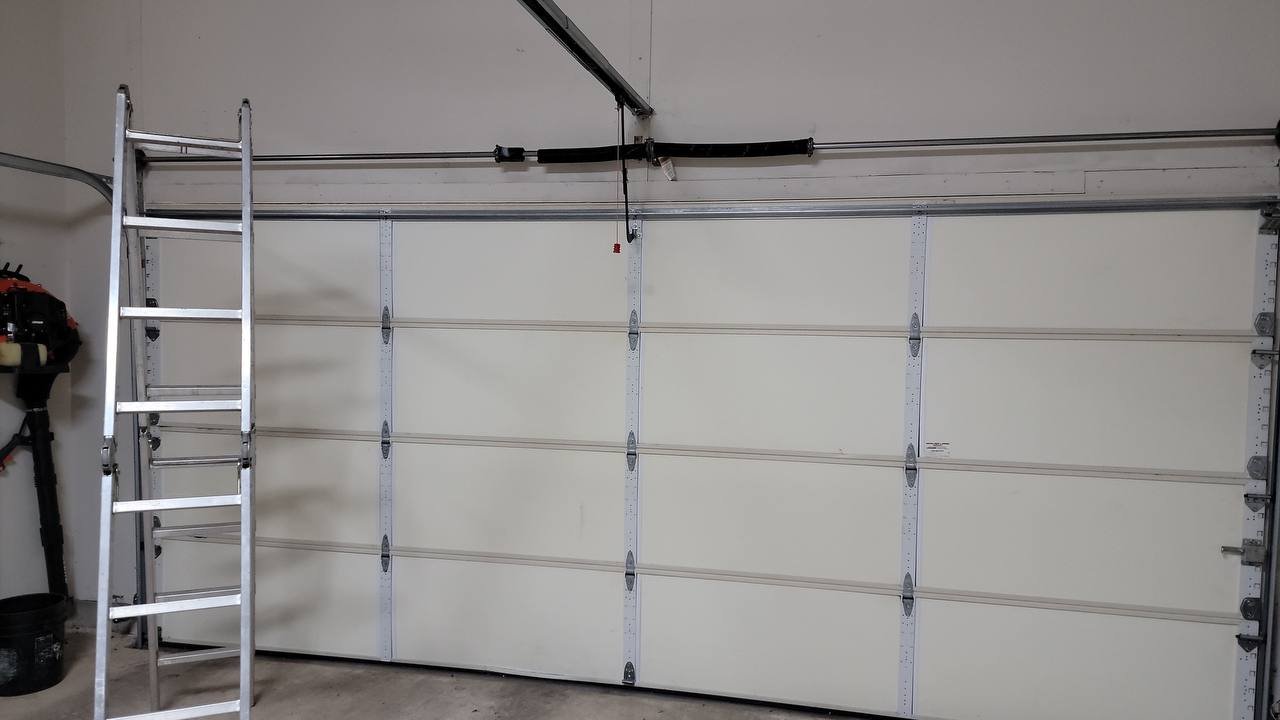
- Broken or noisy springs: If the door drops suddenly, makes loud bangs, or you hear metal cracking, torsion or extension springs likely need replacement.
- Frayed or snapped cables: Cables with visible fraying, kinks, or slack are a safety hazard and should be replaced immediately.
- Worn rollers and tracks: Persistent grinding or doors that stick on one side mean rollers or tracks may be beyond adjustment.
- Damaged panels: Dented or split panels can affect balance and insulation; replacement panels or sections are often the fix.
- Opener motor problems: If the opener hums but won’t move the door, internal gears or the motor may need replacement.
These are common reasons Summit homeowners request garage door repair. If you see any of the above, stop using the door and schedule an inspection.
Which parts fail most often — and when to replace them
Here’s a practical timeline and what to expect for replacement during garage door repair:
1. Springs (every 7–15 years)
Springs are under high tension and have a limited cycle life. A broken spring usually requires replacement rather than repair. For most residential service jobs, techs replace both springs even if only one failed to maintain balance.
2. Cables and rollers (5–10 years)
Cables wear from friction and rollers wear from weather and tracks. When cables show fraying or rollers are visibly worn, replacement prevents sudden failures and protects the opener.
3. Panels and weatherseal (as needed)
Panels only need replacing when structural integrity or insulation is compromised. Weatherseals often wear faster in NJ winters; replacing seals during routine garage door repair improves energy efficiency.
4. Openers and electronic components (8–12 years)
Opener motors, circuit boards, and drive belts degrade. If remotes fail, safety sensors are unreliable, or the unit struggles under load, replacement of the opener may be more cost-effective than repairs.
Cost factors and scheduling
Costs vary across Summit because parts, labor, and the type of residential service differ. Typical garage door repair items and what they affect:
- Spring replacement — safety-critical; usually charged per spring.
- Cable replacement — moderate cost; often paired with roller service.
- Roller replacement — inexpensive per roller, higher if tracks require work.
- Panel repair or replace — depends on material and matching paint/finish.
- Opener replacement — higher upfront cost but can improve reliability and remote features.
For a clearer sense of service packages available locally, see our services page for typical options and upgrades.
Scheduling: in-season (spring and fall) demand increases, so book preventive garage door repair or part replacement in Summit early to avoid delays.
Deciding repair vs. replace — practical steps
Follow these steps to choose the right approach for garage door repair:
- Assess safety: any spring break or cable snap needs immediate professional service.
- Check age and cycles: older systems near expected cycle life are better off with selective part replacement or full replacement.
- Estimate remaining life: if one major component fails and others are aged, replacement can be more economical.
- Consider energy/appearance: damaged panels or failing seals may justify replacement for curb appeal and insulation.
If you want seasonal maintenance advice and step-by-step checks homeowners can do safely, read our detailed notes on the local blog.
Quick maintenance to extend part life
Simple routine care reduces the need for garage door repair:
- Lubricate springs, rollers, and hinges twice a year.
- Inspect cables and safety sensors monthly for wear or misalignment.
- Test balance: disconnect opener and move the door halfway; a balanced door stays in place.
- Replace weather seals if cracked to prevent moisture and corrosion in NJ winters.
Regular maintenance can delay expensive replacements and improve safety for families in Summit.
When to call a pro
Call a licensed technician for any broken spring, frayed cable, loud irregular noises, or when the door doesn’t move smoothly. For emergencies or to arrange a non-emergency inspection, call or contact us online. Never attempt high-tension spring work yourself — that’s a common cause of injury and further damage during garage door repair visits.
Final checklist for Summit homeowners
- Immediate replacement: broken springs, snapped cables, dangerous misalignment.
- Plan for replacement: openers older than 10 years, heavily dented panels, or doors out of balance.
- Regular service: schedule professional inspection annually to spot wear early.
Following these steps will keep your garage doors operating safely and reduce unexpected repair bills. For service details and typical pricing, check our services page and call to set an inspection.
Frequently asked questions — Summit, NJ
Q: How does NJ winter weather affect springs and cables?
A: Cold temperatures make metal stiffer and increase stress on springs and cables. In Summit, repeated freeze-thaw cycles can accelerate wear; replace springs showing rust or loss of tension before a break causes a sudden failure.
Q: If one spring breaks, do both need replacing?
A: Yes. Technicians usually replace both torsion springs to keep balance and avoid repeat service. Replacing only one leaves different cycle counts and can shorten the life of the new spring.
Q: What price range should Summit homeowners expect for common part replacements?
A: Prices vary. Expect springs to be a moderate charge, cables and rollers lower, and openers higher. Exact estimates depend on door size and parts; contact a local tech for an on-site quote.
Q: Are garage door repairs covered by typical home warranties or permits required in Summit?
A: Standard home warranties may cover some mechanical failures; homeowner policies rarely cover wear and tear. Permits are generally not required for household part replacements, but check local codes for opener replacements or structural work.
Q: How long after a repair should I expect warranties or guarantees?
A: Many local residential service providers offer limited warranties on parts and labor (commonly 90 days to a year). Ask your technician to document warranty terms at the time of service.
Helpful local resources in Summit, NJ
- Garage Door Repair Hoboken
- Garage Door Repair Montclair
- Garage Door Repair Westfield
- Garage Door Repair Summit
- Garage Door Repair Maplewood
- Garage Door Repair Livingston
- Garage Door Repair Short Hills
- Garage Door Repair Princeton
- Garage Door Repair Red Bank
- Garage Door Repair Morristown
- Garage Door Repair Chatham
- Garage Door Repair Mendham
- Garage Door Repair Bernardsville
- Garage Door Repair Bedminster
- Garage Door Repair Clinton
- Garage Door Repair Tenafly
- Garage Door Repair Ridgewood
- Garage Door Repair Upper Saddle River
- Garage Door Repair Wyckoff
- Garage Door Repair Basking Ridge
- Garage Door Repair South Orange
- Garage Door Repair Teaneck
- Garage Door Repair Fort Lee
- Garage Door Repair East Brunswick
- Garage Door Repair Montvale
- Garage Door Repair Haddonfield
- Garage Door Repair Marlboro
- Garage Door Repair Cranford
- Garage Door Repair Voorhees
- Garage Door Repair North Caldwell