Living in Summit, NJ means dealing with wet springs, cold winters, and humid summers. Upgrading your garage door can cut energy bills and protect stored items. This energy-focused guide helps Summit homeowners weigh options when planning a garage door installation — from insulated panels to sealing strategies and efficient hardware choices.
Why prioritize energy efficiency for your garage
An energy-efficient garage door installation reduces heat loss in winter and heat gain in summer. For many Summit homes the garage is a weak thermal link; upgrading the door and sealing gaps lowers HVAC load, reduces drafts, and helps keep attached living space more comfortable.
High-efficiency doors with foam cores, thermal breaks, and tight seals improve U-values compared with older single-layer doors. When you evaluate quotes, ask for measured R-values and a clear scope so you compare apples to apples.
Materials, insulation, and measured performance
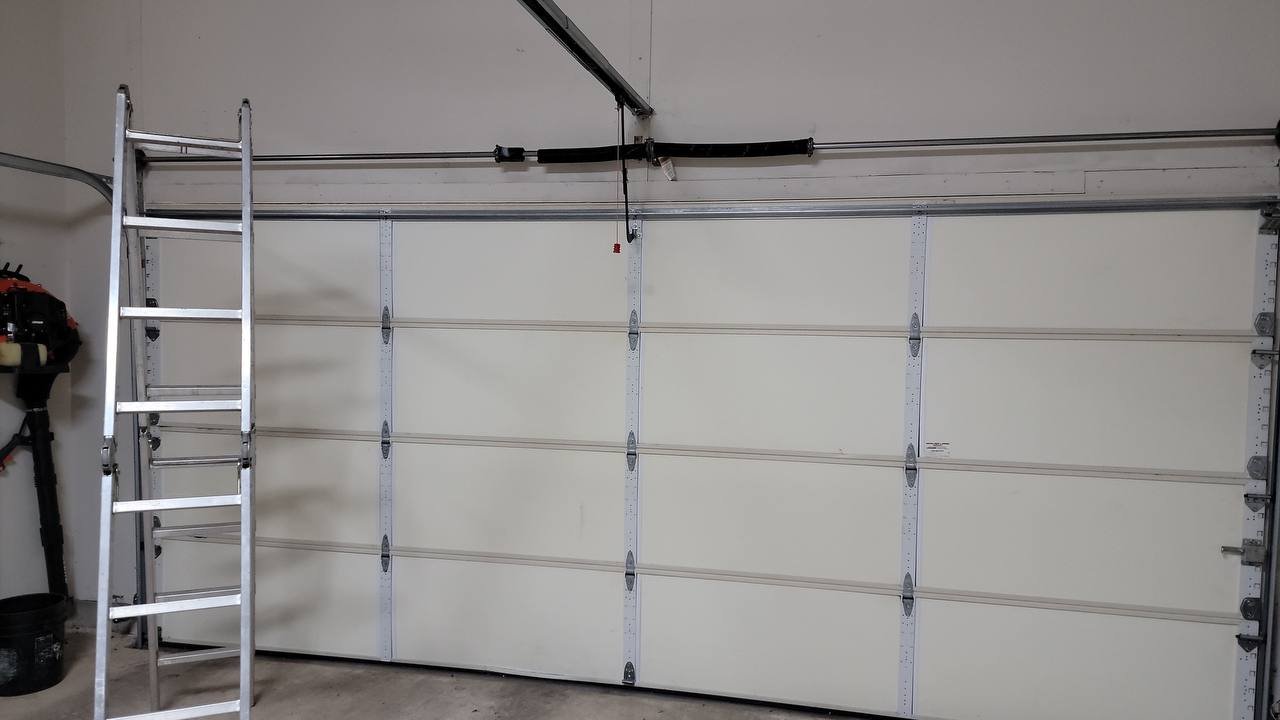
Choosing the right materials is a core step in any garage door installation project. Steel doors with injected polyurethane cores provide high insulation and a slim profile; composite or insulated wood options give character, though they can require more maintenance or added rigid insulation.
Look for doors specifying an R-value or U-factor. For Summit homeowners aiming for year-round efficiency, an R-value around 10 or higher is a reasonable target for standard residential garage doors. If your garage is conditioned or attached, higher R-values deliver better returns.
Types of insulation and what they mean
Common choices include polystyrene panels or injected polyurethane foam. Polyurethane typically yields higher R-value per inch. During the quote, insist the installer documents the tested R-value and any thermal breaks in the door system.
When budgeting, compare total installed cost rather than per-panel price. A proper quote labeled “garage door installation” should include insulation, labor, seals, and haul-away; otherwise expect surprise add-ons.
Air sealing, thresholds, and weatherproofing
Even the best insulated door loses performance without proper air sealing. A professional garage door installation includes perimeter seals, a heavy bottom gasket, and a threshold to block wind-driven moisture and infiltration that Summit winters can drive into the space.
- Top and jamb seals to stop drafts into attic or living space.
- Compression thresholds to close the gap under the door.
- Insulated service doors and sealed access panels to reduce leakage.
A thorough garage door installation includes weatherproofing all the way around; installers should caulk trim, fit jamb liners, and verify threshold compression to stop drafts for the long term.
Energy-smart hardware, windows, and openers
Windows improve curb appeal but can reduce energy performance unless you choose insulated, low-E glazing. If windows are desired, pick double- or triple-pane designs rated for thermal efficiency.
Modern openers with soft-start motors, energy-efficient standby modes, and battery backup reduce power spikes and add convenience. During the quote stage, insist the term garage door installation describe the finished system — door, seals, opener, and accessories — not just the pieces shipped to your home.
Smart controllers can schedule open/close times or integrate sensors to avoid temperature swings when the garage serves as a workshop or ad-hoc living area.
Cost, timelines, and permits
Budgeting for an energy-focused garage door installation means looking beyond sticker price. Insulated steel doors and higher R-value cores cost more up front but reduce operating costs. Request line-item pricing for garage door installation to compare insulating cores, hardware, and labor across bids.
Typical timelines for a standard replacement in Summit range from a same-day swap (3–6 hours) to a two-day project when custom panels, painting, or structural header work is needed. Schedule estimates during mild weather to avoid winter delays and to get accurate measurements.
Summit homeowners should check whether permits are needed for structural header changes or electrical work. Most routine replacements that fit the existing opening do not require a permit, but adding windows, altering headers, or rewiring may trigger filings. Ask your installer to confirm local code compliance.
DIY tasks versus professional installation
Small upgrades like adding weatherstripping, replacing a bottom gasket, or installing a threshold can be DIY projects. However, a full garage door installation involves heavy sections, spring tensioning, and opener setup — tasks that carry safety risks and can void warranties if done incorrectly.
If you’re replacing the door yourself, understand that the phrase garage door installation covers springs, tracks, hardware, and opener setup — all items that require the right tools and experience. Improper spring adjustment can be dangerous and cause damage.
Read local case studies at our blog to see performance numbers from nearby installations and learn what worked for similar houses.
Quick checklist for an efficiency-first upgrade
- Confirm measured R-value and product datasheet.
- Require perimeter seals, top seal, and threshold in the scope.
- Specify insulated windows or none if efficiency is the priority.
- Choose an opener with energy-saving features and proper mounting.
- Request a post-install balance test and thermal check.
- Get itemized warranty details for door, springs, and opener.
Maintenance, ROI, and long-term value
Regular maintenance preserves the benefits of any garage door installation. Lubricate rollers and hinges, inspect weather seals annually, and replace worn bottom gaskets to sustain R-values and reduce air leakage. A well-maintained system also reduces the chance of costly emergency repairs.
Over a 10-year span, energy savings and reduced HVAC cycling often justify the upgrade, especially for attached garages. Track seasonal utility use to measure ROI and ask your installer for projected savings estimates based on local climate.
Ready to plan an upgrade? Contact us to schedule a free on-site estimate and discuss materials, R-values, and timelines. See our services for energy-focused options and certified installers.
Summary
Prioritize insulation, continuous seals, and a properly balanced opener when planning garage door installation. Choosing the right combination of materials, windows, and hardware preserves comfort in Summit homes and lowers long-term costs.
Work with contractors who document R-values, test balance, and provide clear warranty details. With thoughtful design, garage door installation becomes a smart home improvement that pays back through reduced energy bills and improved year-round comfort.
Frequently asked questions — Summit, NJ
Q: How much energy can a new insulated garage door save in Summit winters?
A: Savings vary, but replacing an uninsulated door with an insulated door (R‑10 or higher) on an attached garage commonly reduces heat loss and can cut related HVAC load by roughly 5–12% depending on garage-to-home connections. A free on-site estimate will give a more accurate projection for your house.
Q: How long does a typical installation take?
A: For a standard one- or two-car opening with no structural changes: 3–6 hours. Custom doors, repainting, header work, or electrical rewiring may extend the job to one or two days. We schedule to avoid winter weather delays when possible.
Q: What price range should Summit homeowners expect?
A: Basic uninsulated replacements start lower, but for an energy-focused insulated steel door with foam core expect mid-range pricing. Custom wood or carriage-style insulated doors cost more. Get itemized quotes listing door, insulation, hardware, opener, and labor to compare bids accurately.
Q: Do I need permits or inspections in Summit for a replacement?
A: Routine like-for-like door replacements usually don’t need a permit. Structural header changes, adding windows, or significant electrical work often require permits and inspections. Ask the installer to confirm local code requirements before starting.
Q: What warranties should I expect?
A: Manufacturers typically warranty door panels and insulation differently from springs and openers. Also ask for a written labor/install warranty from your contractor. Verify coverage periods and any maintenance required to keep warranties valid.
Helpful local resources in Summit, NJ
- Garage Door Repair Hoboken
- Garage Door Repair Montclair
- Garage Door Repair Westfield
- Garage Door Repair Summit
- Garage Door Repair Maplewood
- Garage Door Repair Livingston
- Garage Door Repair Short Hills
- Garage Door Repair Princeton
- Garage Door Repair Red Bank
- Garage Door Repair Morristown
- Garage Door Repair Chatham
- Garage Door Repair Mendham
- Garage Door Repair Bernardsville
- Garage Door Repair Bedminster
- Garage Door Repair Clinton
- Garage Door Repair Tenafly
- Garage Door Repair Ridgewood
- Garage Door Repair Upper Saddle River
- Garage Door Repair Wyckoff
- Garage Door Repair Basking Ridge
- Garage Door Repair South Orange
- Garage Door Repair Teaneck
- Garage Door Repair Fort Lee
- Garage Door Repair East Brunswick
- Garage Door Repair Montvale
- Garage Door Repair Haddonfield
- Garage Door Repair Marlboro
- Garage Door Repair Cranford
- Garage Door Repair Voorhees
- Garage Door Repair North Caldwell